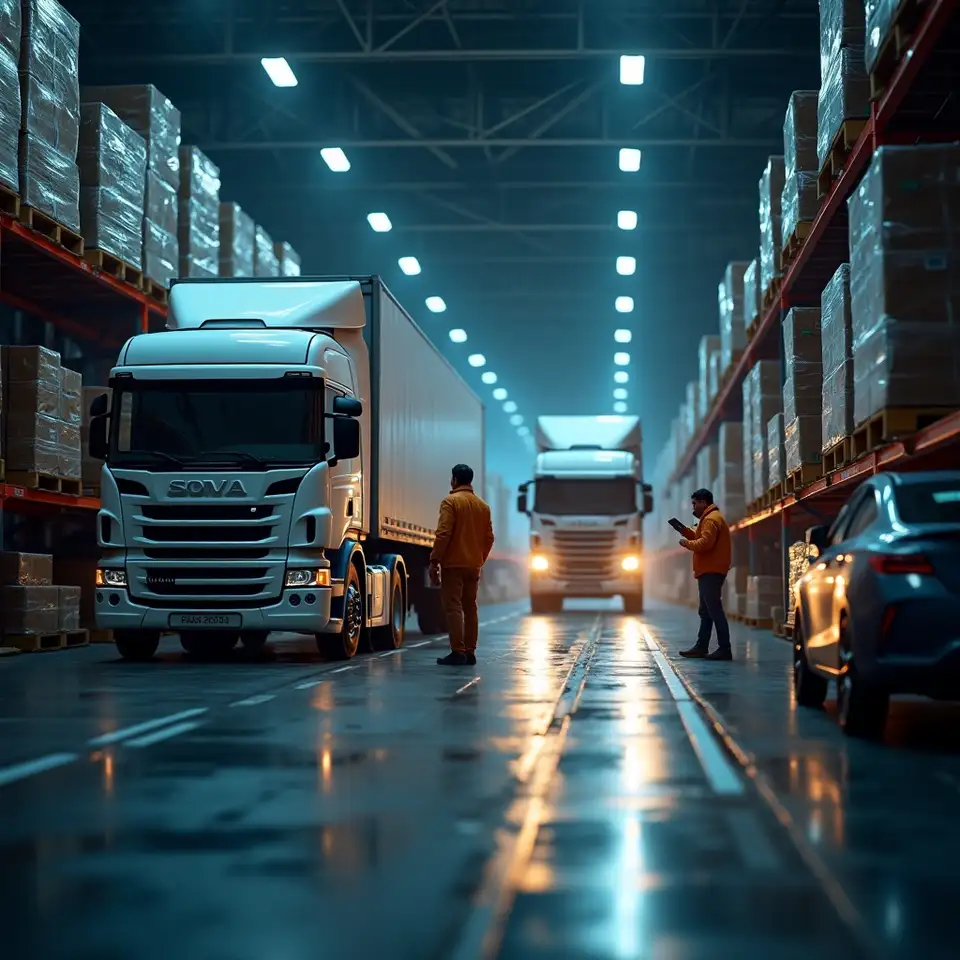
Dispatchers once ran everything by phone and gut feel. Delays stacked up. Orders slipped
through the cracks. This was business as usual until the company rolled out an
AI-powered supply chain platform. The change was stark: what took hours to reconcile
became instant. Inventory, trucks, and shipments all tracked in real time. Delays
flagged before they snowballed.
The core of the shift? Connecting twelve
scattered systems—warehousing, routing, customer orders, and more—into a single source
of truth. Data no longer lived in silos. AI mapped out optimal routes, predicted traffic
patterns, and balanced loads. Fewer empty trucks on the road. Fuel spend dropped.
Customer promises became more reliable.
Decision-making transformed too.
Managers saw daily metrics: on-time performance, backlog, and utilization. Problems
surfaced early, not at the month’s end. Instead of playing catch-up, leaders anticipated
and acted. That’s how operations became resilient.
Staff needed retraining,
yes. Old habits didn’t vanish overnight. But with clear analytics and a stepwise
approach, adoption stuck. The AI didn’t replace people—it made their work sharper, more
precise. Dispatchers had time for higher-level tasks. The business now scales with
demand, not stress.
Take warehouse management. Previously, supervisors checked stock with manual logs and
periodic counts. Now, AI-driven sensors and dashboards provide constant updates.
Overstocking is a thing of the past. Replenishments are triggered automatically when
thresholds are met. The system flags anomalies—missing items, unexplained variances—so
staff resolve issues before they grow. This level of visibility keeps the supply chain
tight and costs predictable.
Customer service benefited too. With accurate,
real-time shipment data, the firm proactively updates clients. Fewer status calls, more
satisfied customers. Automated notifications, once a stretch goal, are now routine.
Planning
cycles shortened. No more waiting on weekly summaries—leaders drill down to root causes
daily. When challenges arise, teams use actionable data, not hunches, to adapt. It’s the
difference between reacting and steering.
Scalability followed. As business
grew, the system handled more orders and routes without a surge in headcount. Robust,
future-proof architecture set the company up for long-term stability.
No transformation is painless. The team faced resistance, especially from veterans wary
of new tech. Management addressed this with targeted workshops and visible leadership
buy-in. Technical glitches appeared, but regular feedback loops and a commitment to
transparency built trust.
In time, the system’s reliability won over
skeptics. Metrics improved, stress eased. The firm’s competitive edge
sharpened—customers noticed faster response times and consistent delivery standards.
What’s
the lesson? Robust, integrated AI tools don’t just cut errors and costs. They change how
teams operate. The craftsman’s principle—measure twice, cut once—guided this project.
The result: a logistics business built on data, discipline, and adaptability. That’s a
foundation built to last.